more ads

Kamat's Potpourri

Indian Attire .

kamat.com New Contents
Answers to Frequently Asked Questions
About Kamats and Kamat.com
Contact Us

n a v i g a t i o n width="86"
Site Map
Historical Timeline
Master Index

k a a l a r a n g a Indian Paintings
History of India

Women of India

Faces of India

g e o g r a p h i c a - i n d i c a Temples of India
Arts of India
Natives of India
Indian Mythologies

The Lungi Page

by Vikas Kamat
First Online: April 02,2007
Page Last Updated: December 21,2007

The Lungi (also known by many other names, sometimes with some delicate differences between them, see below) is a long piece of cloth wrapped around the waist, that is popular in various parts of India, especially in South India. It can be worn by both men and women, and can be worn as a wrap unstitched, or with a simple privacy stitch.

© K. L. Kamat
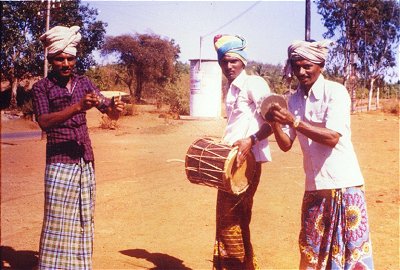
Folk Musicians, the Village of Kavalakki
Colorful Lungis Indicate Festive Moods

Differences between Dhoti, Lungi, Veshti etc.

While a lot of people use these terms interchangeably, there are distinct differences between the terms. The Dhotar or Dhoti is made with very fine cotton and is much longer in length than a Veshti or Mundu, which are not designed to run between the legs. One can go to a wedding in Dhoti, but never in a Lungi. The Lungis and Mundu can be worn in half-fold.  

The following table lists the differences between each of the types of unstitched clothing worn by men in India around the waist. (see also: Turbans )

Lungi Colors Type of Attire
Dhotar or Dhoti White Formal Wear
Mundu, Veshti White Formal Wear
Lungi Colored, Checkered or Flowery Informal Wear, Nightwear
Half Lungi no limit Work outfit
Panji or Panche White Ritual wear, Nightwear
Pitambar Red or Orange Ritual wear


The Song of the Lungi

When in white, you are my formal wear.
When in design, you are a festival!
What good are those trousers?!

If I wrap you around my head,
you become a turban.
You are a blanket if I am cold.
And a sail when the wind is good.

After I play in the sea,
you become my towel.
A flag when I wave
A trap to catch the mango!

Ready for Cricket when I fold you in half,
Ready for hanging when I twist you as a rope
ready as bed when I'm struck at fairs


You become a shawl when I need modesty
and a carrying bag during a loot.

The trousers are no good!

Inspired by the "Trousers are no Good!"  folksong, which in turn is inspired by the classic "Neenarigadeyo Ele Manava" (the humans are no good).

Pictures of Lungi

K.L. Kamat/Kamat's Potpourri
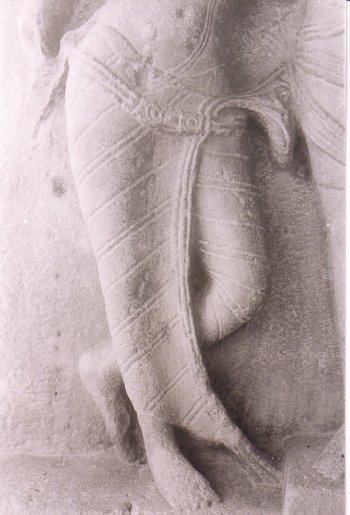
Ancient Lungi ?
Ancient Lungi ?
Detail from a medieval sculpture in Karnataka


© K. L. Kamat
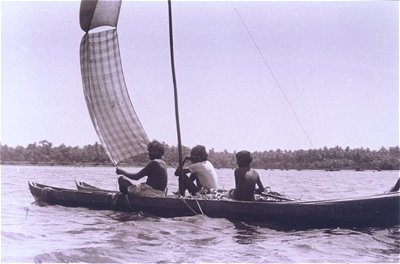
Fishermen Using Lungi as Sail


K.L. Kamat/Kamat's Potpourri
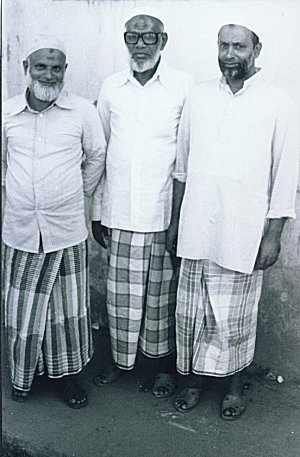
Muslim Elders
Muslim Elders
Notice their checkered "Maulana" lungis. Town of Bhatkal, 1983

See Also:


Indian Clothing
Indian Clothing

Pictures
The Princely Attire of Salar JungThe Long Gown Worn by a NawabColorful Attire of a Rajasthani Man Military Attire of Jamadar Muddu Krishna SinghElder in Traditional Indian AttirePortrait of an AristocratAttire of Noblemen of Mysore Ancient Lungi ?
Nobleman of Mysore with FamilyIndian Attire During the Changing TimesSomething New, Something OldA Young Girl from Mizoram in her Traditional DressChudidars Hung for SaleA Nobleman depcited in Kavi ArtThe Lungi Attire of FarmersBeggar with Drums Outside a Temple
How to Build Houses While Wearing a SariThe Mysore TurbanSaree is worn by young and the old alikePicture of a VillagerShepherd Boy with a Woolen HoodThe Long Gown Worn by a NawabPrincely Costume of MysoreKameez and Odhani Outfit
Member of the Mysore Palace StaffThe Embroidered Woolen Cap of Ibrahim Adil Shah IIInexpensively Decorated HeadgearTypical Headgear worn by Sikhs and Muslims in IndiaThe Kavi (Indian Red) Turban of Swami VivekanandaThe Turayi Headgear of a Halakki TribalTilaks Maharashtrian Turban Popular during 18th-19th centuriesThe Turban of Pandit Madan Mohan Malaviya
The Elaborate Turban of a Nobleman, MysoreKulavi the stitched Head GearQuilted Hat of a Vijayanagar NoblemanRumal of a Farmer in KarnatakaThe worn out cap of a homeless manThe Man in PinkThe Colorful Turban of a Sufi MysticMarwadis Marvelous Turban
Sikh youngster with sporty Head GearMan in Yellow Turban (Peta)Festive Turban of a Sikh YoungsterMan in Red RumalMan in Gandhi Topi Tribal Saree Styles -- Notice how short the saree isThe Saree as  CradleTribal Woman in a Old-fashioned Bordered Saree
How to Dance in a SareeA Saree Advertisement of 1950s from Phoenix CompanyWoman in her Vanity Putting on a SareeSaree Style Popular in Malabar 1900 A.D.Girl Gets Help Putting on a SareeYet Another Variety of Wearing the SareeThe Half-SareeEmbroidery on a Silk Saree
How Fight Battle in a SareeThe Sari is the Attire of the Poor as well as of the RichThe Sari is Not a Deterrent to this Ephemeral ArtistThe Simple Cotton Saree of a Street VendorWomen in SareesTheres No Such Thing as a Maternity Saree

 
Kamat's Potpourri Timeless Theater Attire

Research Database

© 1996-2007 Kamat's Potpourri. All rights reserved. Do not reproduce without prior permission. Standard disclaimers apply

Merchandise and Link Suggestions

Top of Page