


Notes on Begging in India

|
|
|
Subscribe to Site Feed |
||||||||||||||||
     
|
Computing, Libraries, Tennis, India & other interests of Vikas Kamat
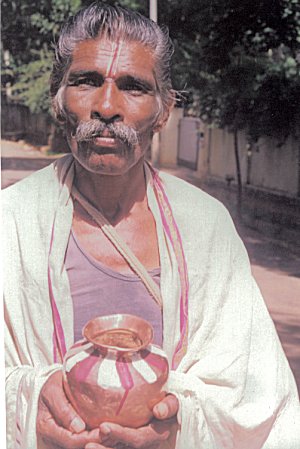
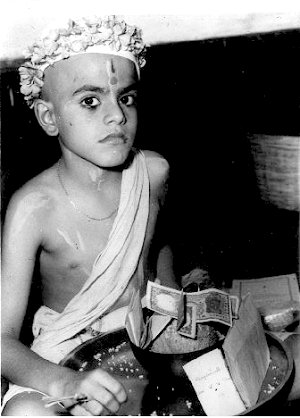
What is stunning to me is the large number of Indian people and bloggers who have a one sided opinion of beggars and of begging. I explained to Ms. Kahan that the beggar and the donor (in the Indian context) indeed have a symbiotic relationship. The beggars actually help the donors atone for the sins they committed against fellow humans, and are helping secure an good after-life. Some more notes on Beggars and Begging © K.L.Kamat This gentleman was a regular householder. He has a shop, a family and doesn't need to beg for money. Except that he made a promise to the Lord at one time of difficulty that should he survive the crisis, he'd beg on the first Saturday of every month. So on the 1st Saturdays, he doesn't eat at home, but only consumes whatever alms he can gather via begging. That's part of his devotion. The photograph below shows the begging ritual practiced in India.The young understudy or monk is taught how to beg for food, and taught to honor whatever is given. © K.L.Kamat BTW, that's me in the picture. "Bhavati Bhikshandeshi" I begged and got some 300 bucks (year 1976). The Gypsies will say that moving from place to place and sometimes begging is part of their being and their culture. They have resisted rehabilitation. My father (and I do too) feels that we cannot impose our value system on their culture without causing social turmoil. At the end of the program, the host asks "Isn't a person free to choose a profession? Aren't beggars self-sufficient?" They don't rely on tax-payers for their living.
See Also: The Begging Profession of India
About Me:
|
|
||||||||||||||||
Kamat's
Potpourri  Vikas KamatBlog Vikas KamatBlog |
||||||||||||||||||
Merchandise and Link Suggestions